Marble has long been prized for its refined, luxurious look and the strong impression it gives any space.
1. Origin and characteristics
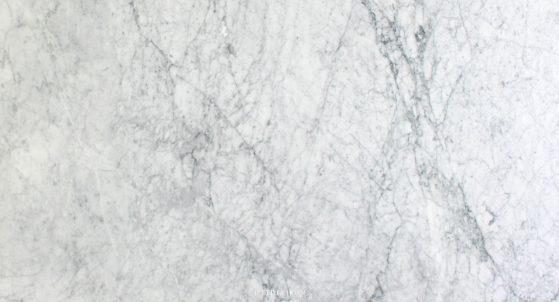
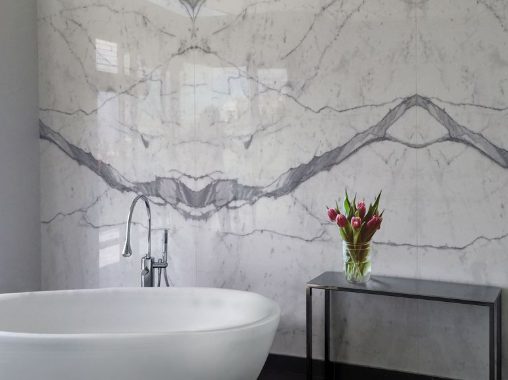
Marble forms when limestone is transformed by heat and pressure. It is mostly calcium carbonate, and depending on minerals and quarry conditions it can be white, black, grey, pink or green. Its natural veining never repeats, so every slab is one of a kind.
2. Uses in building and interiors
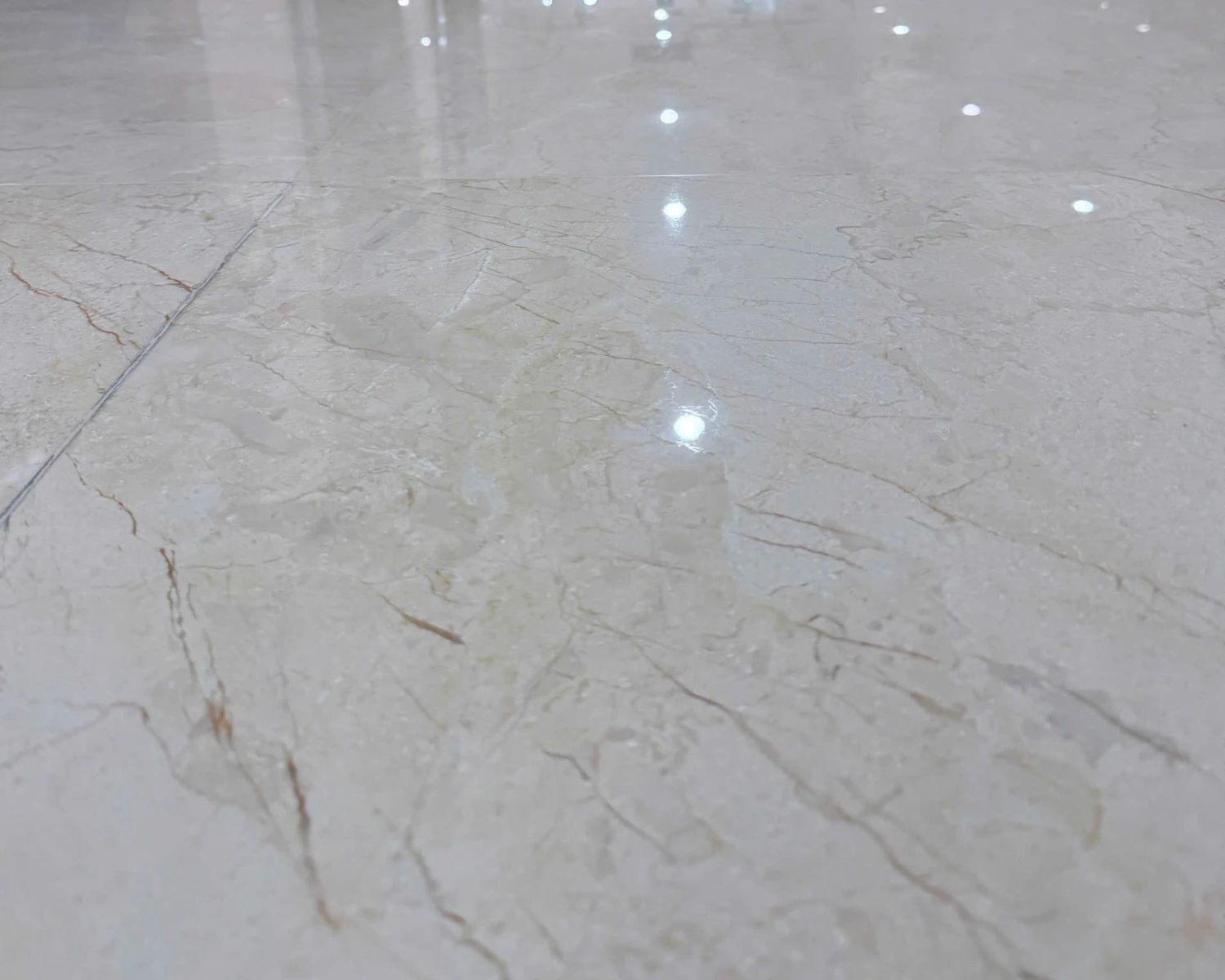
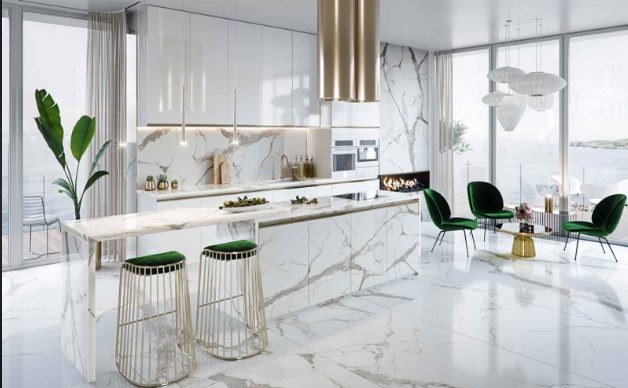
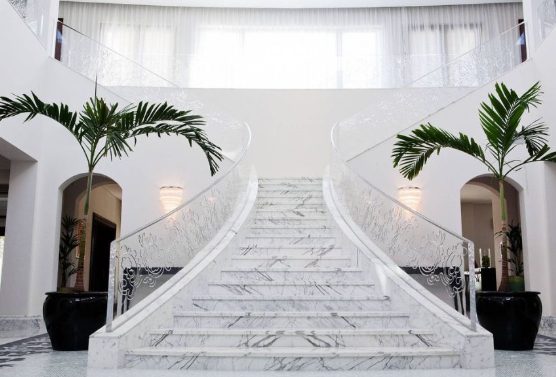
- Wall cladding and flooring, for its shine and elegance.
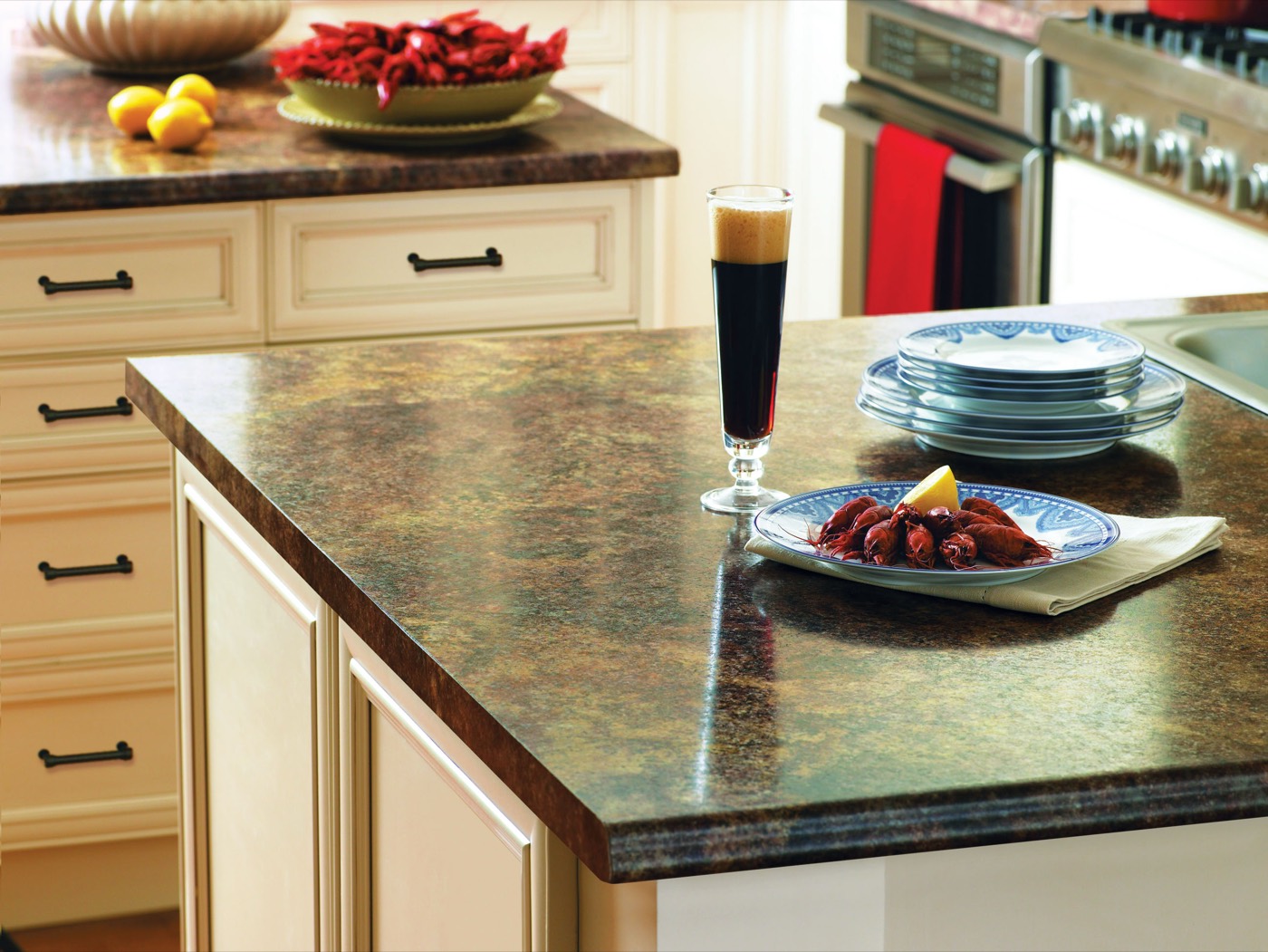
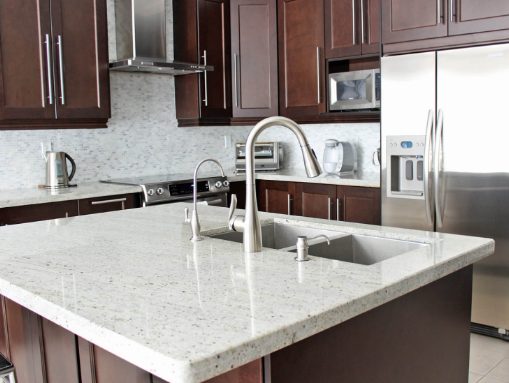
- Kitchen tops and basins, for a smooth surface that is easy to clean.
- Exterior features such as walls, columns and entrances.
3. Pros and cons
- Pro: beautiful, making spaces feel open and refined.
- Pro: many colours and patterns to suit different styles.
- Pro: heat resistant and long lasting.
- Con: medium hardness, so it scratches and stains without protection.
- Con: a premium material that usually costs more.
4. Care
Clean regularly with a mild cleaner and avoid harsh chemicals. A protective sealer limits water absorption and staining, and light scratches can be polished out.
5. How marble compares
Compared with granite or quartz, marble has a softer look with gentle veining and understated colour, and is a favourite for classical and neoclassical design.