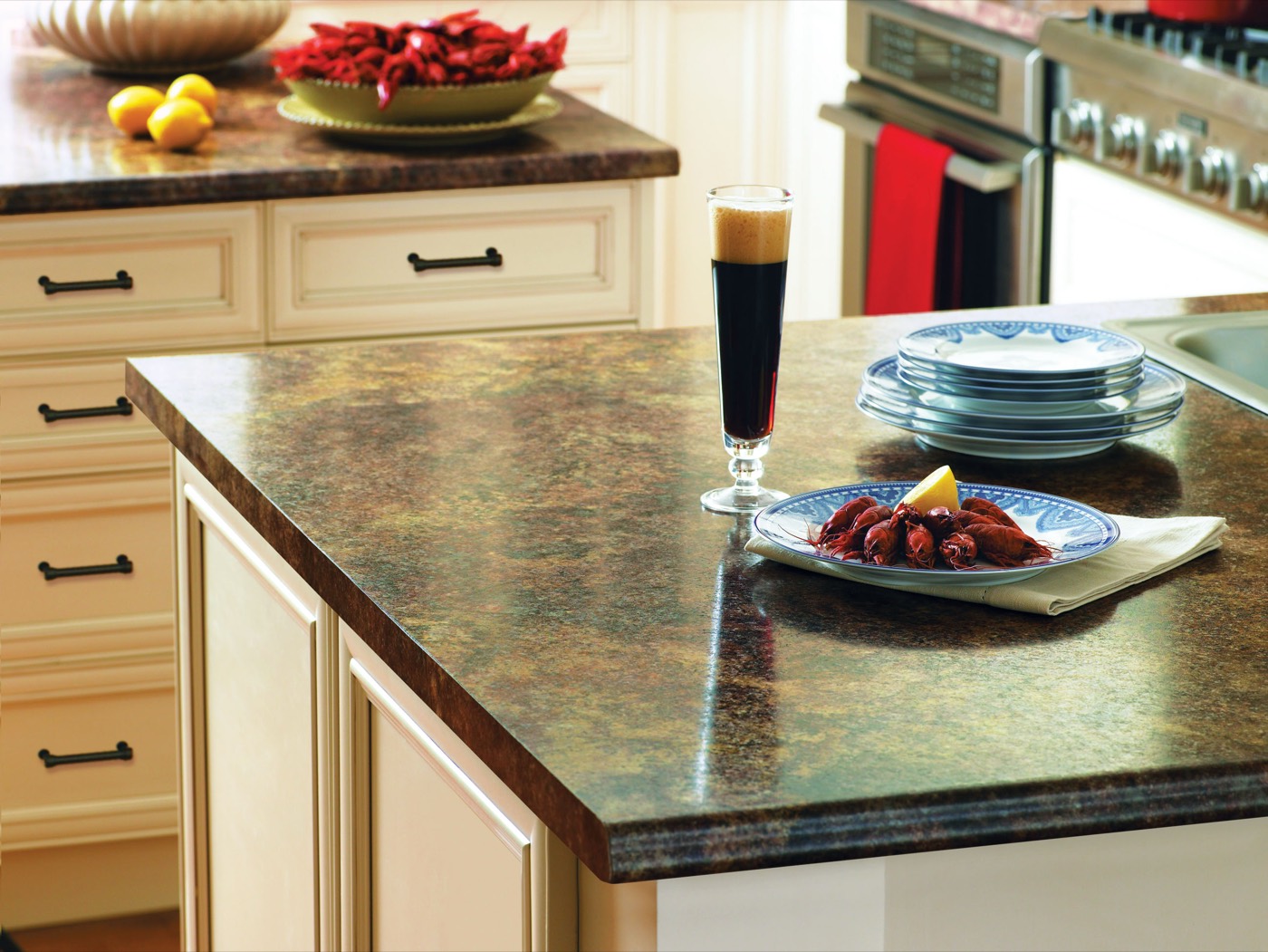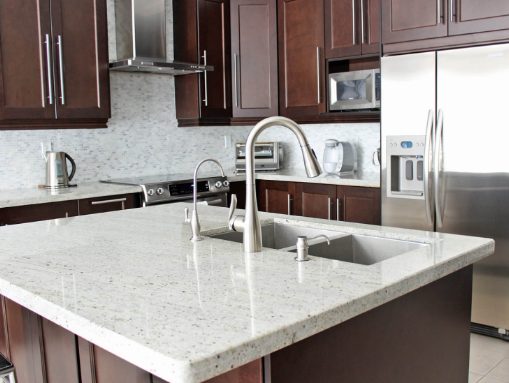
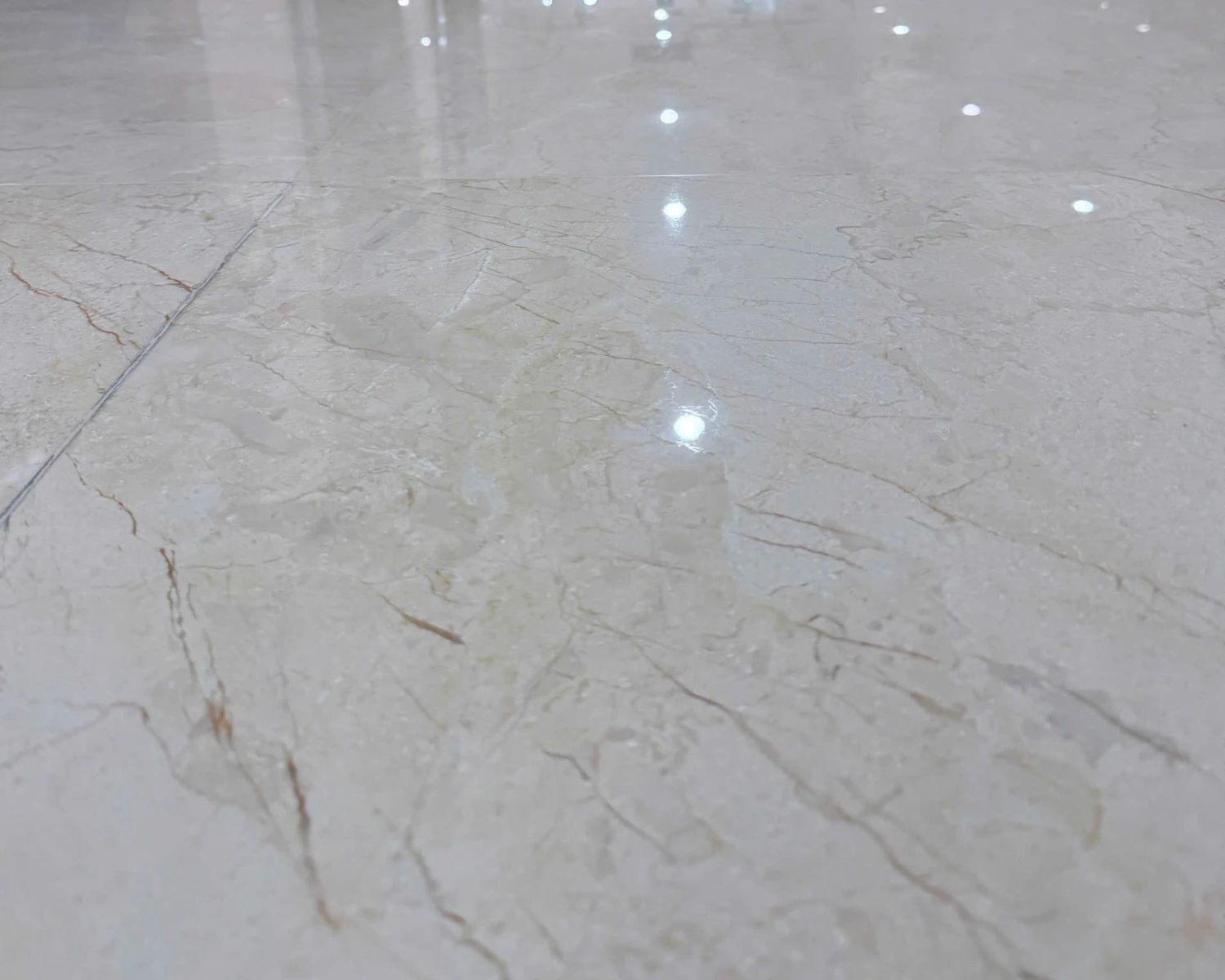
Natural stone can keep its looks for decades with the right care. Most damage comes from acids, harsh cleaners and abrasive grit rather than from age.
General rules
- Clean with warm water, a pH-neutral cleaner and a soft cloth.
- Wipe up spills such as coffee, wine, lemon juice and cooking oil straight away.
- Never use vinegar, bleach, ammonia or scouring pads.
- Put mats at entrances to keep grit off stone floors.
- Re-seal periodically, following the sealer manufacturer's guidance.
Granite
Hard and dense, so the easiest to look after. Regular neutral cleaning is enough; light-coloured granites benefit from sealing to prevent oil stains.
Marble
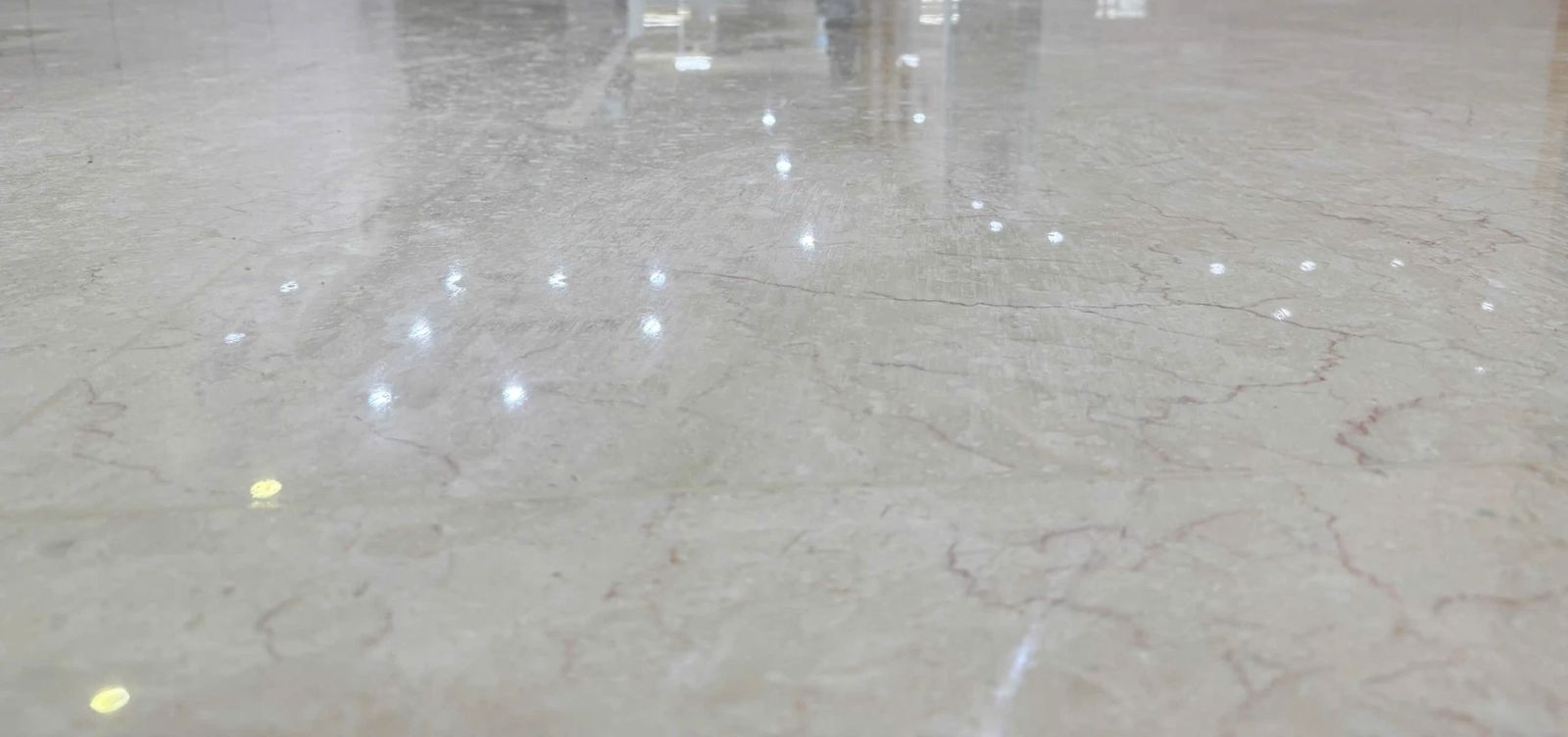
Marble is calcium carbonate, so acids leave dull etch marks. Use coasters, boards and trays, and wipe spills immediately. Light etching and scratches can be removed by honing and re-polishing.
Travertine and limestone
Both are more porous, so they absorb liquids and stain more easily. Fill the pores (for travertine) and seal thoroughly, especially in bathrooms, kitchens and outdoors.
Onyx
Onyx is beautiful but soft and brittle, better suited to feature walls, bar fronts and decorative details than busy floors. Avoid impacts and heavy loads, and clean gently.
When to re-polish
When a floor has dulled evenly, carries many scratches or stains that will not clean off, on-site grinding and polishing restores the shine without replacing the stone. IBS surveys and polishes marble and granite floors on site.